Unlocking Creative Sublimation with Canva Letters Frame Alphabet Template140
Finding the right design asset for sublimation projects can be a bottleneck for many creatives. You need something that looks polished, is easy to customize, and works within the platforms you already use. Canva Letters Frame Alphabet Template140 is a digital file designed to streamline that exact process. Instead of wrestling with complex software or managing dozens of separate PNG or SVG files, this template gives you a single, editable framework inside Canva where you can drag and drop your own patterns, textures, and colors directly into letter-shaped frames.
What This Template Actually Is
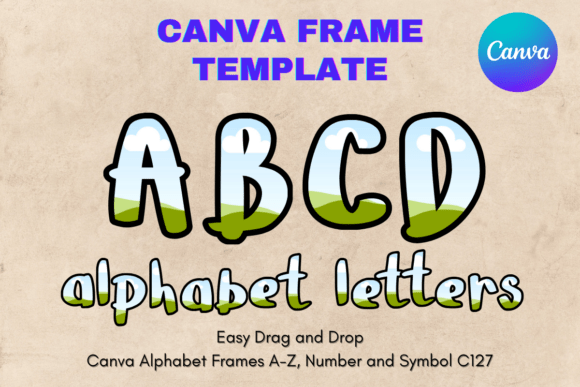
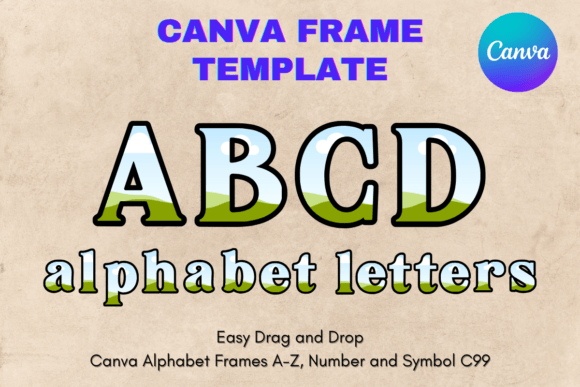
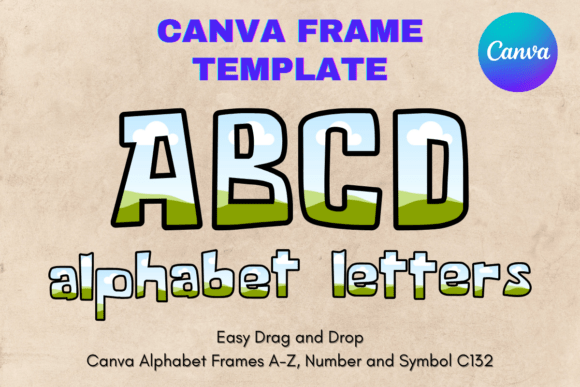
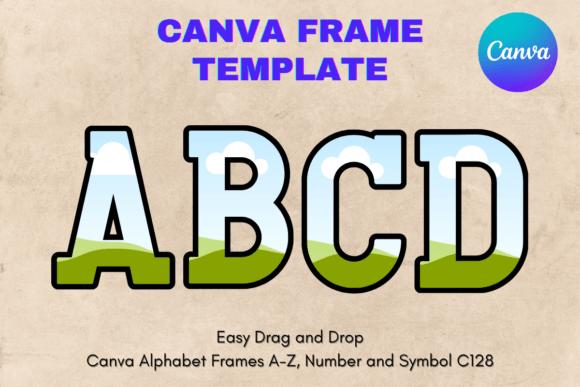
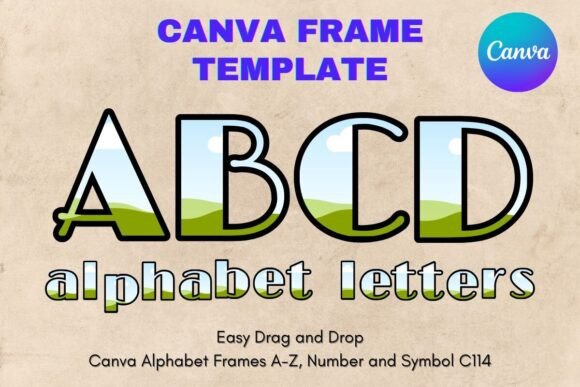
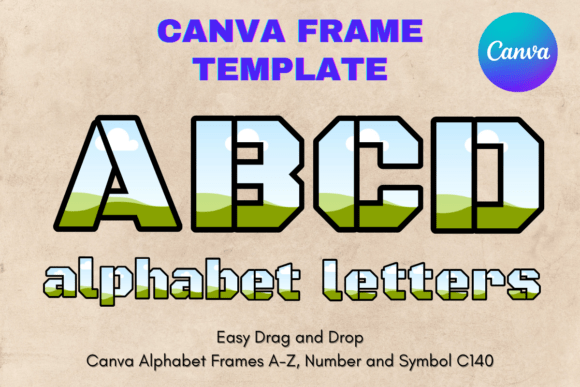
Let’s be clear about what you’re getting. This is not a traditional font you install on your computer. It is an editable Canva frame template. When you purchase this digital file, you receive a PDF containing a link that opens directly in Canva. Once inside, you’ll find each letter of the alphabet arranged as a transparent frame. The concept is simple but powerful: you place your own image or graphic into the frame, and it automatically conforms to the letter shape.
The visual style of these frames leans toward versatility. Because the frames themselves are transparent layers, they take on the personality of whatever you put inside them. Want a watercolor effect? Drop in a watercolor texture. Need a bold, modern typography look for a logo design? Use a solid color or a geometric pattern. The template serves as a skeleton, and you supply the muscle. This makes it a genuinely creative font solution for people who want full control without needing advanced design skills.
Where These Letter Frames Shine
The practical applications for Canva Letters Frame Alphabet Template140 are broad, and that’s part of its appeal. For sublimation crafters, this is a direct path to creating custom mugs, t-shirts, tote bags, and home décor items with personalized monograms or words. Because the template is sized for 8.5×11 inch paper, it integrates smoothly into standard printing workflows. You can also size the frames up or down within Canva to suit your specific project dimensions.
For brand identity work, especially for small businesses and entrepreneurs, these frames offer a way to create distinctive wordmarks or initial-based logos. A bakery owner could drop a soft linen texture into their business initial for a rustic, artisanal feel. A fitness coach might use a bold gradient to create energetic, modern typography for social media graphics. The template adapts to the brand, not the other way around.
Content creators and bloggers will find value here too. Think about creating eye-catching featured images, Pinterest pins, or Instagram story headers. Using a display font built from these frames, you can maintain visual consistency across your editorial design while keeping things fresh by swapping out the fill for each new post or campaign. It’s a practical way to manage visual hierarchy in your layouts without spending hours in Illustrator.
Design Considerations and Readability
While the creative freedom is a major strength, a thoughtful approach still matters. Because these are frame templates rather than a traditional typeface, readability depends heavily on what you choose to fill them with. A highly detailed photograph placed inside a small letter might become muddy and illegible at smaller scales. For packaging design or web design elements where text needs to be read quickly, consider using high-contrast fills—solid colors, simple patterns, or bold textures that don’t lose their character when scaled down.
Think about your audience and context. If you’re designing for a children’s brand, playful, colorful fills work well. For a luxury brand identity, a metallic gradient or marble texture inside the frames could convey elegance. The frames themselves provide a consistent structure, which helps with brand recognition and consistency across multiple touchpoints, from business cards to social media banners.
When evaluating whether this template fits your project, ask yourself a few practical questions. Does my design need editable, customizable letter shapes? Am I working primarily in Canva? Is my goal to create sublimation-ready graphics or digital assets? If the answer is yes, this template likely offers real value. It’s particularly useful for those who want a premium font aesthetic without the premium font price tag or the learning curve of professional design software.
Practical Tips for Getting the Most Out of It
Once you open the template in Canva, start by experimenting with simple fills to understand how the frames behave. Try a solid color first, then move on to textures. Pay attention to how edges render—Canva’s frame tool handles this smoothly, but complex images with low contrast might need adjustment.
Consider font pairing thoughtfully. Since these letter frames are inherently graphic, they work best alongside clean, readable body text. A simple sans serif font or a classic serif font for supporting copy will let your framed letters stand out as the focal point without competing for attention. This balance is key in editorial design and social media graphics, where you need both impact and clarity.
For commercial use, the template provides a flexible design asset. Because you’re creating the final output by combining the frames with your own graphics, the end result is your own creation. This is an important distinction from using a standard commercial font with restrictive licensing. Always double-check the specific terms included with your purchase, but the editable nature of the template generally gives you significant freedom in how you use the final designs.
One final observation: this kind of tool rewards experimentation. Don’t settle for the first fill you try. Test different textures, colors, and even photographic elements to see what resonates with your project’s tone. The Canva Letters Frame Alphabet Template140 is a starting point, and the best results come from treating it as one. Your creativity fills in the rest.